
How Do Autism Symptoms Change From Age 2 to 9? What One Study Found
Parents often wonder how their child's autism symptoms might change over time. A study published in Autism followed 37 children with autism spectrum disorder (ASD) from age 2 to age 9 to understand how symptoms evolve during early childhood.
What the Researchers Discovered
The study found that:
- About 1 in 4 children showed significant improvement in social communication skills
- Most children maintained similar levels of repetitive behaviors over time
- Children who had better language skills at age 2 tended to have better outcomes at age 9
Why This Matters for Autism Families
These findings suggest that early language abilities may help predict later development, but every child's path is unique. The results highlight that:
- Significant progress is possible in social communication
- Repetitive behaviors may be more persistent over time
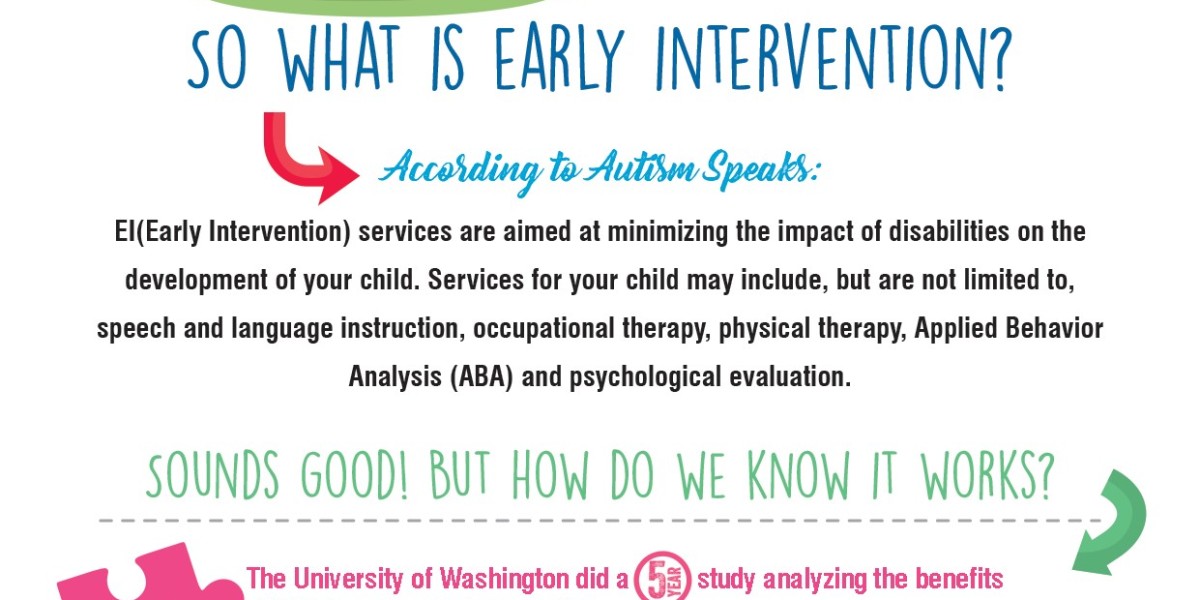
- Early intervention remains crucial
Practical Takeaways
While every child develops differently, parents might consider:
- Focusing on building language skills in early childhood
- Celebrating social progress while understanding some behaviors may persist
- Maintaining therapies that address core autism symptoms
Study Limitations
It's important to note that:
- This was a relatively small study (only 37 children)
- Results might not apply to all autistic children
- The study didn't examine specific interventions that might have influenced outcomes
Every autistic child develops at their own pace. While studies like this provide helpful insights, they can't predict any individual child's future.
You can read the original research here.
Read the study: https://journals.sagepub.com/doi/abs/10.1177/1362361306063296