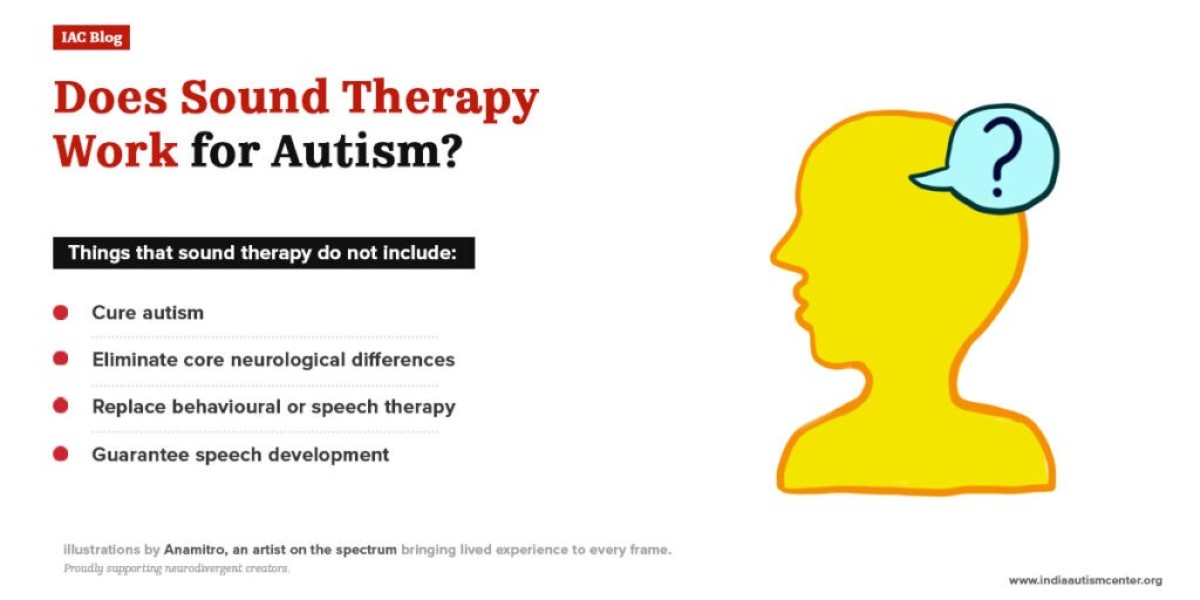

Can Sound Therapy Help with Language in Autism? A Look at Tomatis Method Research
Parents of nonverbal or minimally verbal autistic children often explore alternative therapies to support communication. One approach you may have heard about is Tomatis sound therapy, which uses modified music and sounds to potentially stimulate the brain. A small study published in the Journal of Autism and Developmental Disorders examined whether this method could improve language skills.
What Did the Study Find?
Researchers worked with 10 autistic children (ages 3-6) who received 60 hours of Tomatis therapy over 3 months. The therapy involved listening to specially filtered classical music and mother's voice recordings through headphones. Before and after treatment, children were tested on:
- Receptive language (understanding words)
- Expressive language (using words)
- Social communication
The results showed modest improvements in receptive language skills compared to a control group, but no significant changes in expressive language or social communication. Parents also reported noticing some positive changes in their children's responsiveness.
Why This Matters for Autism Families
Language delays are common in autism, and families often seek out various interventions. This study suggests sound therapy might help some children better understand language, though it didn't show benefits for speaking skills. The parent-reported observations hint that children may become more aware of sounds in their environment.
Practical Considerations
If you're considering Tomatis therapy:
- It appears safe and non-invasive
- Benefits seem most likely for listening/comprehension
- Should be combined with other language therapies (like speech therapy)
- Cost and time commitment are significant factors (60+ hours)
Important Limitations
This was a very small study (only 10 children) and lacked long-term follow-up. We can't say if effects last or work for all autistic kids. More research is needed to confirm these findings and understand how/why the therapy might help.
The takeaway? Tomatis therapy shows some promise for supporting language understanding, but isn't a standalone solution. As with any intervention, discuss options with your child's therapy team.
Read the study: https://www.academia.edu/download/45329889/Brief_Report_The_Effects_of_Tomatis_Soun20160503-77549-19973hn.pdf